The Art of Adjusting to Someone New
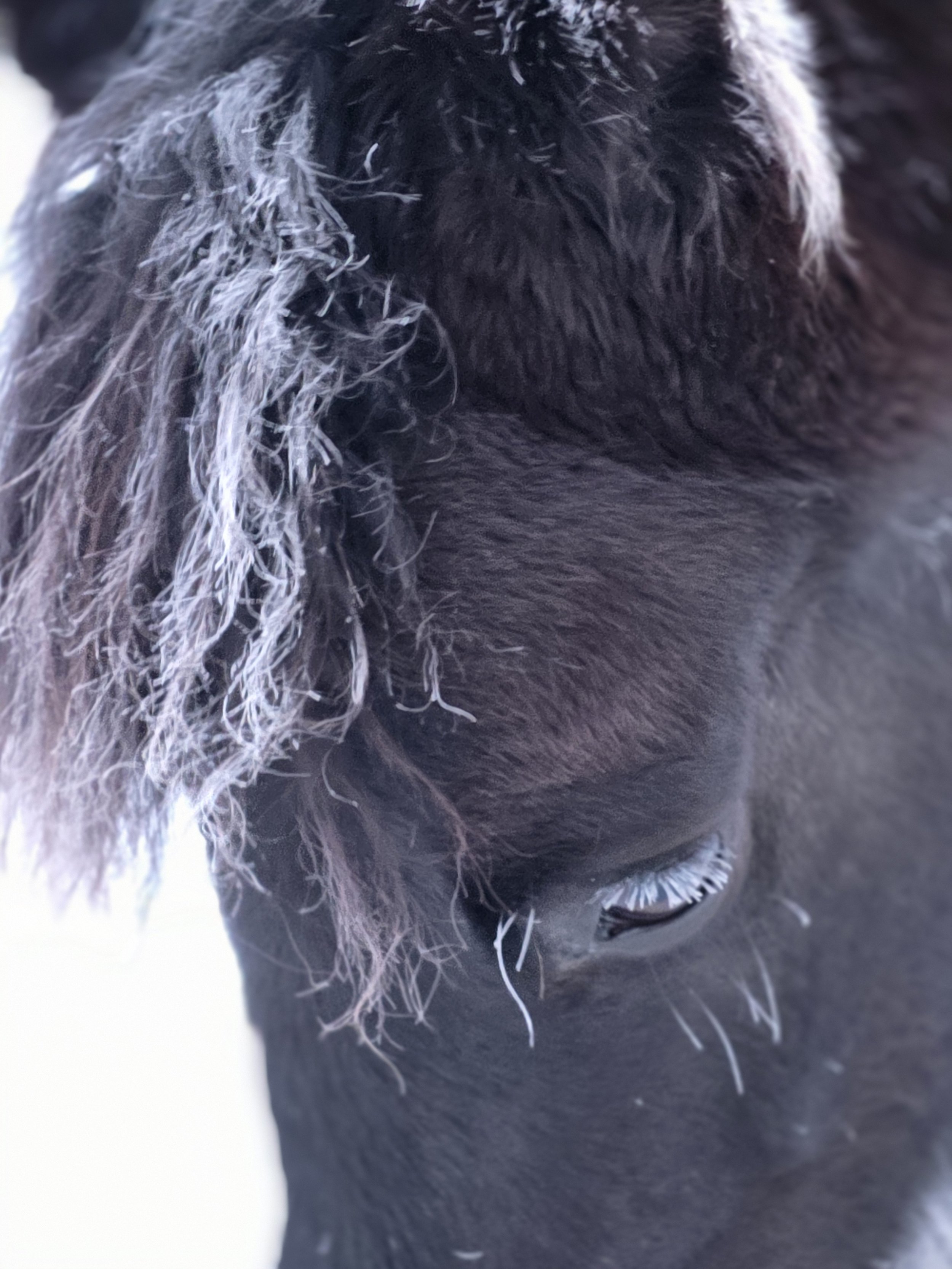
"The art of life lies in a constant readjustment to our surroundings." — Kakuzo Okakura
Recently, we welcomed another horse into the herd. His stay will be temporary, but that doesn’t change what he needs: to find his place among the others. Our herd is close-knit and hasn’t had to adjust to a newcomer for quite some time, so this shift is significant for all of us.
Before I agreed to bring him in, I considered what it would mean for us. I know his human. The horse has visited the Ranch to use the arena. While good-natured, I understood that even a kind, familiar presence would mean an adjustment for the herd, and me.
He’s been here just over a week now, and it’s been fascinating to watch the dynamics unfold: how the herd responds to him. How he tests, retreats, approaches, as he gets to know his new herd and how he needs to be within it.
In their movements and interactions, I recognize something deeply human. A reflection of what happens whenever someone new joins a team, a workplace, or a family.
Below, I share what this temporary addition is teaching me about belonging, leadership, and the quiet work of making room for someone new.
Belonging
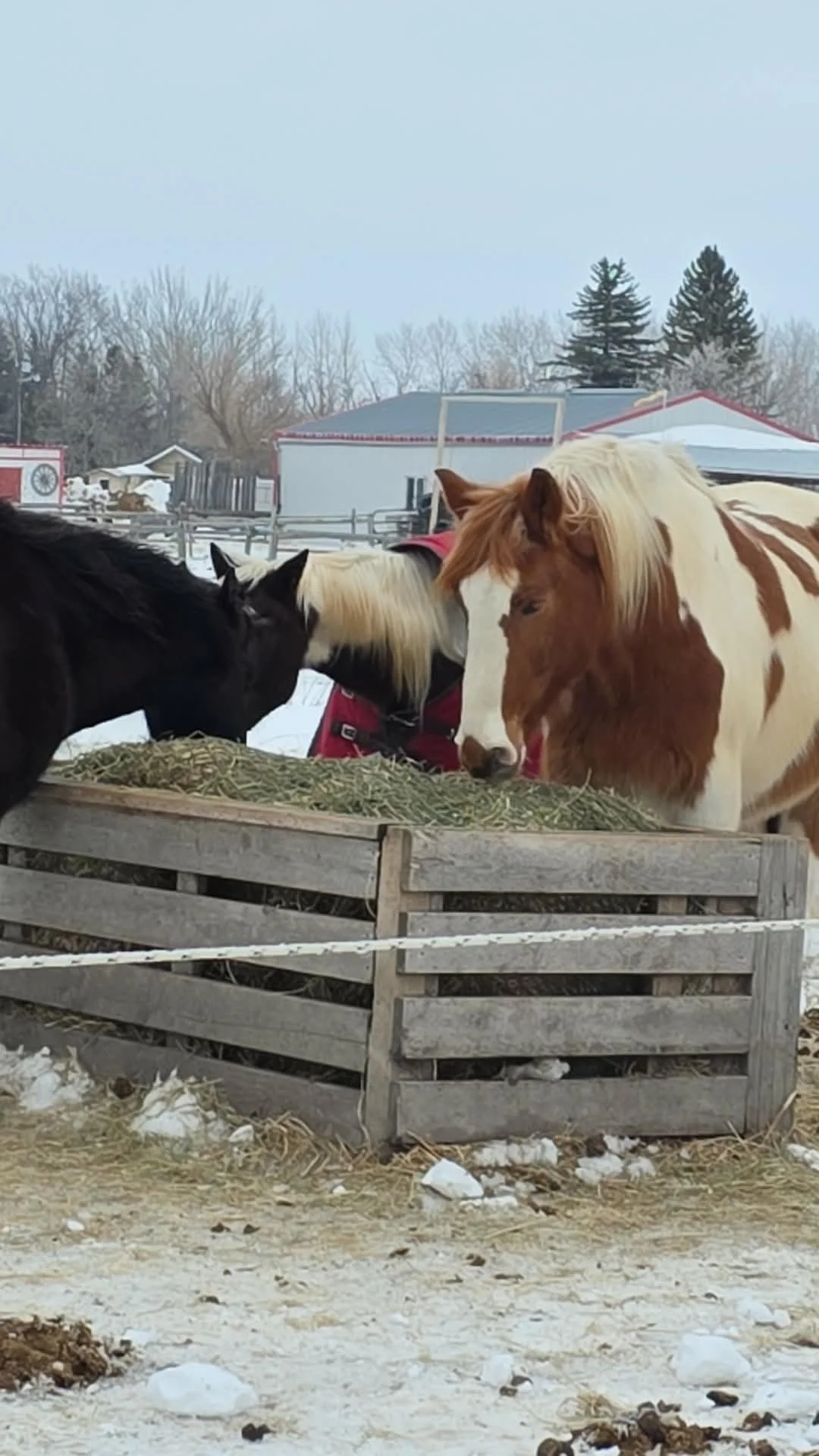
Watching Cruze find his place has been a powerful reminder that belonging isn’t instant; it’s built step by step. We first introduced him to Kiante and Jack, the horses with whom he would share a pen. We took the three of them into the arena. They sniffed each other. There were a few dramatics. But it didn’t take long before two of them rolled, a demonstration of vulnerability, and then all three stood quietly together—a good sign.
When we brought them to their pen, it was time for the girls to meet Cruze, a fence line between them. This introduction was highly charged. The girls were curious and demonstrative: loud whinnies, front legs striking out, and at one point Annie catching the middle rope on the fence with one of her hooves. (She is fine and so is the fence.)
Each time the energy escalated, Kiante, the leader in the boys’ pen, was quick to intervene. He stepped between the girls and Cruze, making sure the girls were okay, creating a buffer for the newcomer. He repeated this behaviour consistently over the next several days, like a guardian of the process. Or, was he helping to establish boundaries? Perhaps a bit of both.
Bit by bit, through these small, everyday interactions, belonging began to emerge, not as a sudden acceptance, but as a gradual, living agreement among them all.
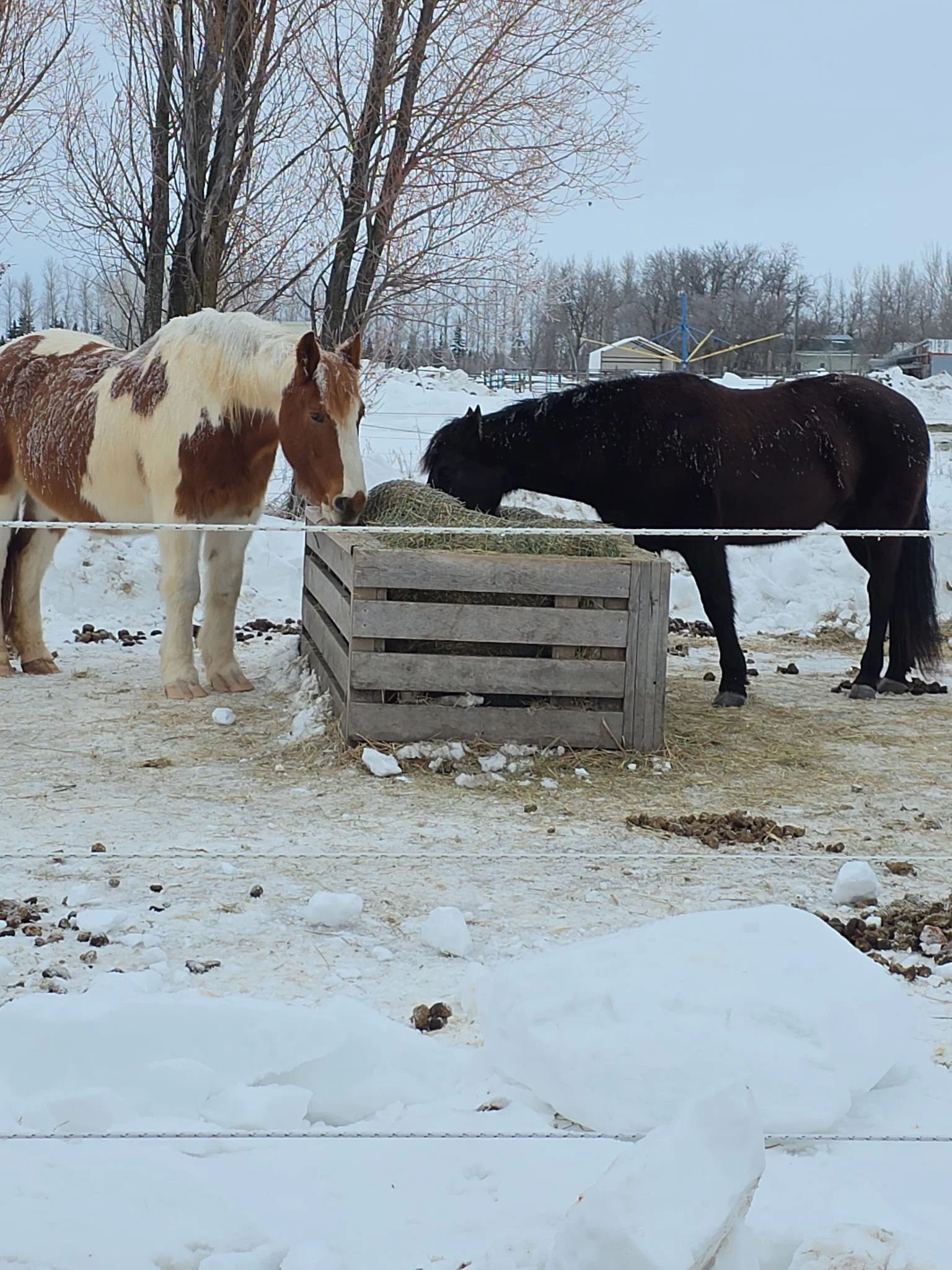
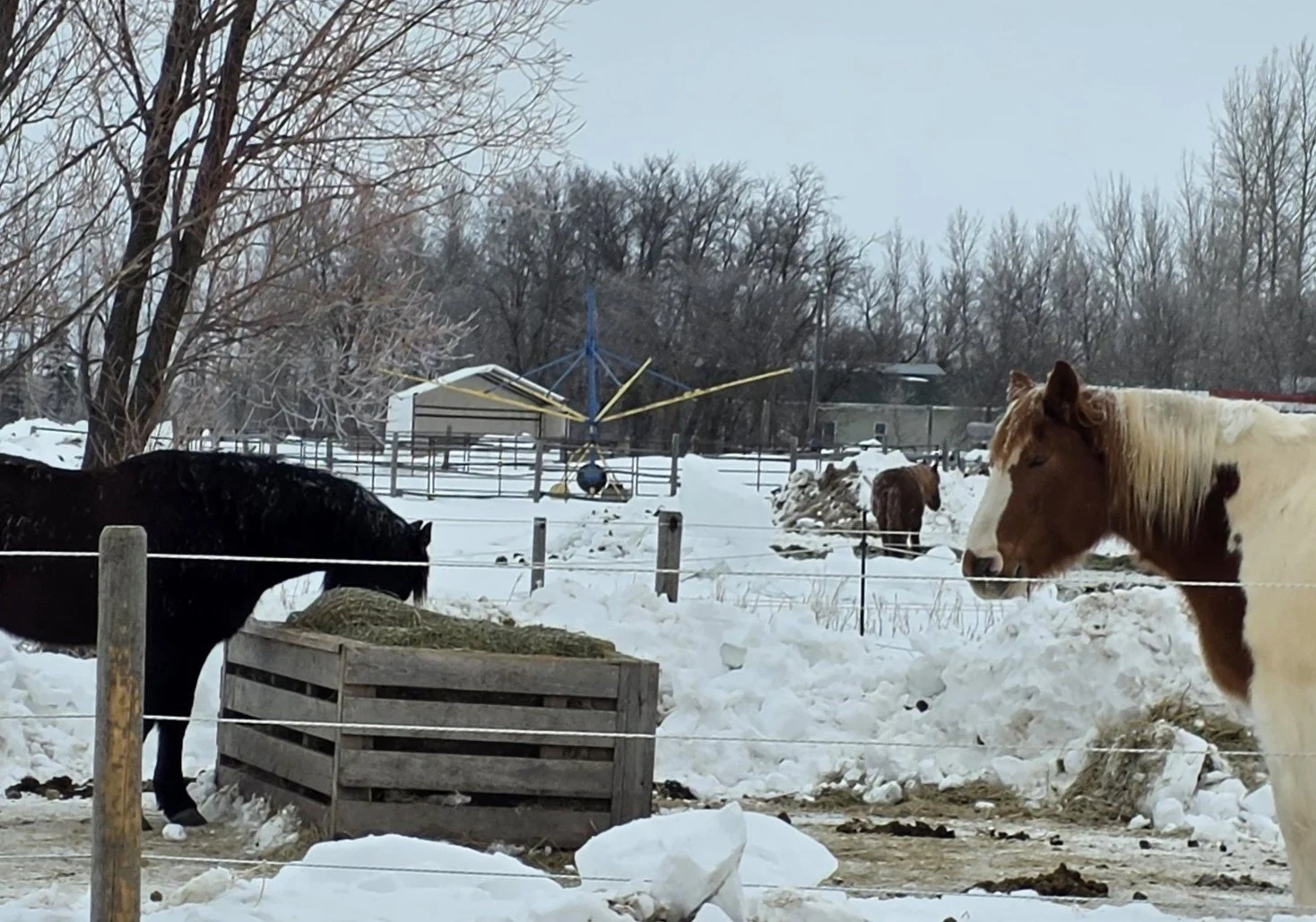
From the beginning, Cruze was allowed at the feeder, but on his own. Over several days, the boys transitioned to everyone eating together.
Leadership
Kiante has not rushed the integration process. He has held his boundaries clearly while still allowing the newcomer to explore where he fits. He doesn’t micromanage his every move, but he does step in when the energy tips too far into chaos or challenge.
His leadership is steady, calm, and clear. It reminds me that real leadership isn’t about control; it’s about creating an environment where everyone understands the unspoken agreements, feels the stability of clear direction, and can relax enough to bring their best selves forward.
The quiet work of making room for someone new
What has struck me most is how this type of transition happens not only in the more active, demonstrative demonstrations of boundaries, but in quiet, almost invisible ways.
It’s in the extra check I do in the evening, making sure he isn’t pushed too far from the hay.
It’s in noticing as the girls engage over the fence line.
Or when the newcomer needs a moment of reassurance.
How his adoption into the herd has required less and less from Kiante.
In our human spaces, this kind of quiet work might look like an extra invitation to a meeting, a thoughtful introduction, or a check-in after a long day.
It’s rarely dramatic, but it’s powerful.
Making room for someone new is often a collection of gentle adjustments and small kindnesses that say, “You’re not just passing through—we’re willing to shift so you can truly arrive.”
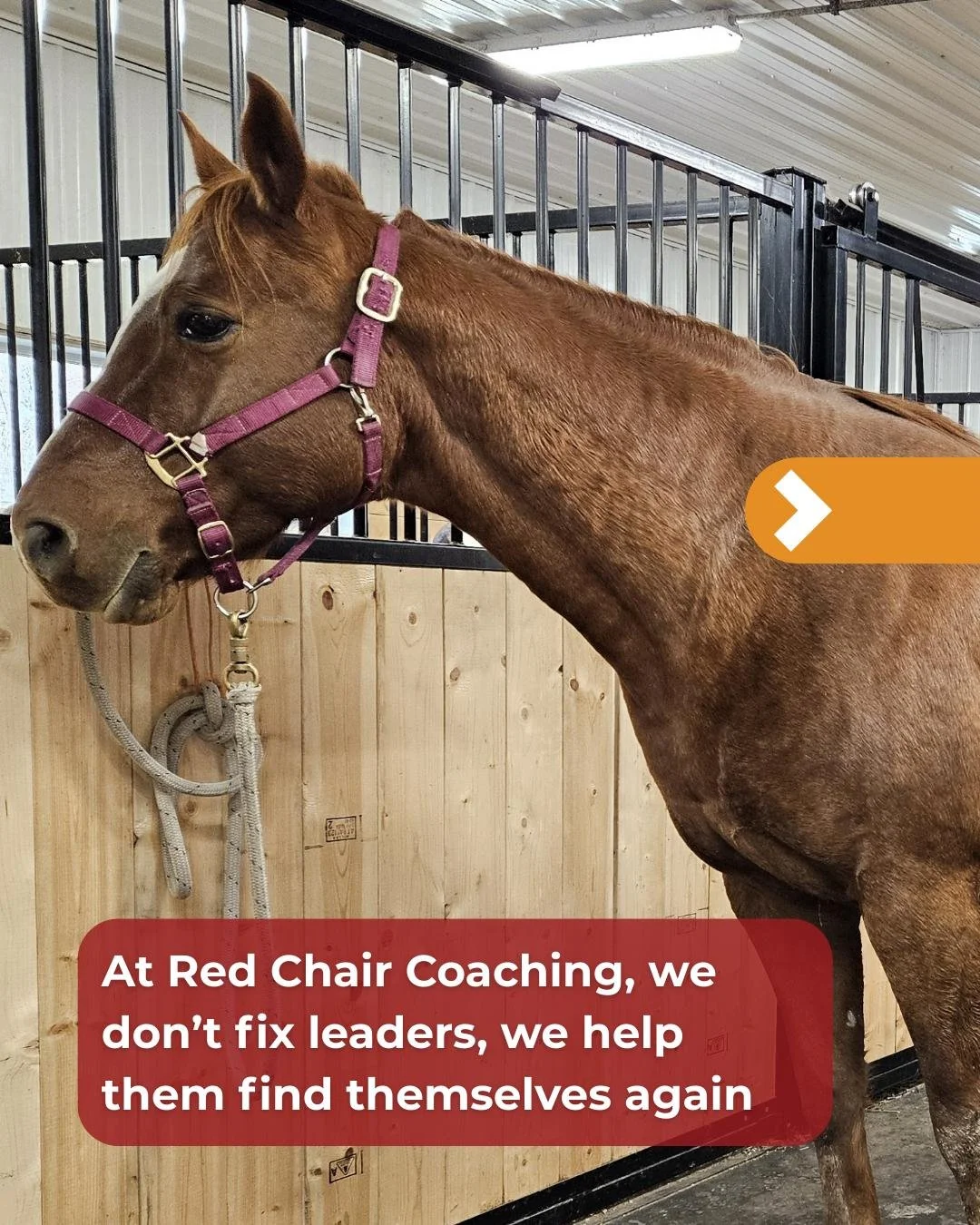
We provide a unique and impactful way to bring teams together.
Through time in your Red Chair with the horses, dialogue is open and honest.
Expectations are clarified.
Intentions are set.
If it is time to invest in your team, contact us to learn more.